


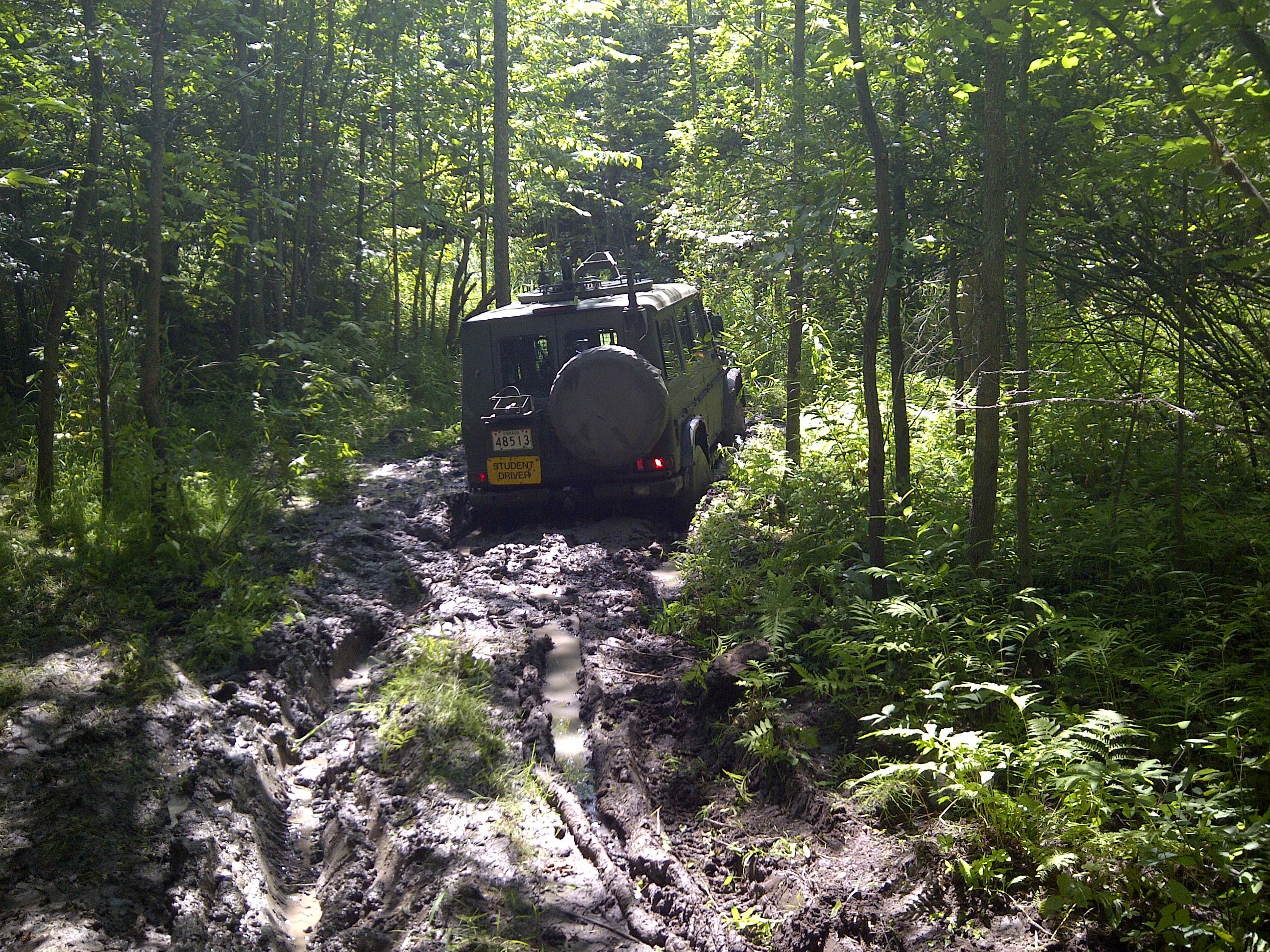
“These poor lads had no idea of infantry… They couldn’t properly load a Bren magazine, knew nothing whatsoever about grenades… some of them had thrown exactly one No. 36 grenade without ever learning how to clean, arm, or worse, disarm, or really make them ready for throwing. The PIAT was a complete mystery. Only a couple had ever seen a two-inch mortar. They gave me heart failure ten times a day, but I really couldn’t blame them.”
Lieutenant Cecil Law, South Saskatchewan Regiment, before the 1944 Battle of the Scheldt Estuary. Quoted by Mark Zuehlke in ‘Terrible Victory, First Canadian Army and the Scheldt Estuary Campaign.’
Since the earliest days of human history, rulers have encountered a problem: how do you get people to fight for a cause? This has been a particular problem for the Canadian Military in much of its history. It would not be hyperbole to say that the CAF’s only military engagement wherein it didn’t suffer from at least one personnel crisis was the Red River Rebellion of 1869-70.
I’ve already touched on the conscription aspect of this discussion, and while it looms still, I do not believe it can occur until an armed conflict. The CAF will try other methods of mass mobilization.
A report came out recently discussing the drop in passing rate though Basic Military Qualification (BMQ), better know as Basic Training. The problems outlined in the leaked report show a much deeper problem than a drop in candidacy. That alone is not a crisis. Indeed, BMQ is one of the least important pieces of training, but this report underlines one of the ways the CAF is transforming, and indeed, Canadian society as a whole.
Boot
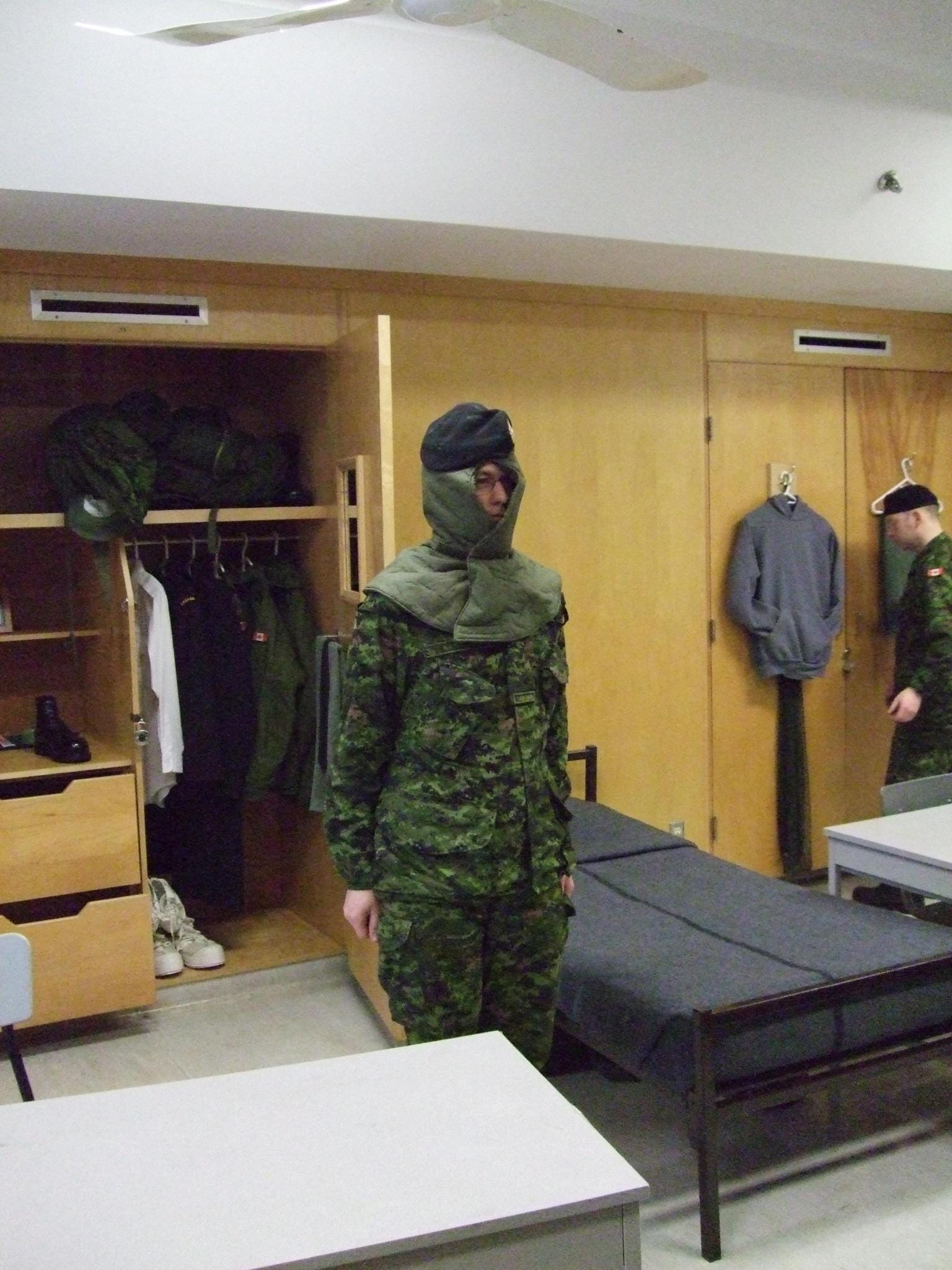
“Twentynine Platoon! Form up,” came the booming voice of Sergent MacDougal. The exhausted, shivering trainees did so, running the prescribed clockwise path of the encampment we all lived in. Assemble we did, along the gravel road next to the two chemical toilets.
“Alright TROOPS, listen up,” the five foot, barrel chested Sergeant with a voice like a foghorn with no observable neck instructed. “The honey wagon is here TROOPS, and you WILL respect it.” Behind him, the shit-sucker truck pulled up and a confused looking civilian contractor began emptying the toilets. “Ateeeen-CHUN!”
The troops came to rigid attention, eyes fixed straight ahead, shivering, waiting for the next instruction. Then the smell hit.
“The Honey Wagon brings happiness and joy to the troops wherever it goes,” proclaimed the paratrooper as the troops started to gag. “Stay the fuck at attention fuckface! YOU WILL RESPECT THE FUCKING HONEY WAGON!”
- An experience from the author’s BMQ
Known to the US and thus Canadian popular culture invariably as bootcamp. BMQ, or just “Basic” to soldiers, is the foundation of any military member’s experience. It is Schrodinger’s military training: simultaneously essential, and worthless.
Mine started on a cold February day in 2007. Like most CAF soldiers, it started at the “Mega,” an enormous, 12 story building in Saint-Jean sur Richelieu, Québec. As was the story for most of my CAF career, the training I received in that large grey monolith was close to useless (I do still use my sewing skills). The point, however, was never to train.
BMQ taught my course resilience and the ability to follow instructions while under duress. Our Platoon Warrant Officer smelled of alcohol most days. My section Sergent was a Rwanda and Afghan Veteran who carried two different long bladed knives at all times and smoked like a chimney. Many course mates followed suit, a cigarette break being the one time one could relax.
A lot has changed since 2007. A friend who went through BMQ a month after me told me the guy giving them a briefing on life insurance told them to wait one full year before committing suicide, as the policy wouldn’t pay out otherwise. My first week’s suicide prevention course was a Master Corporal medic who told us about the last guy who tried to kill himself, but “jumped out of the fourth floor like a pussy,” and just broke his legs, and that “real men swan-dive from the 12th floor,” so that coroner needs to clean up the mess and not him.
Other gems from my platoon staff included “do I need to teach you the same lesson over again, or should I tattoo it on my cock and fuck it into you,” and “how the fuck do you expect to kill the enemy without your boot bands?” Often, we would return to our bunks to find voluntary release (VR) papers with our names filled out already and placed on our beds, awaiting just a signature and a moment of weakness. Sometimes they were accompanied by applications for Tim Hortons and MacDonald’s.
We cleaned rifles, did parade drill, practiced bayonet fighting and learned how to tie knots. My section commander even took us to the washroom and taught us how to shave. The lessons may have been less than applicable to real life, but the ethos was real enough. When you graduated, you felt like a soldier, even if the rest of your career disabused you of that notion.
It was a surreal time, and not one that most made it through. The figures are foggy now, but of the starting course, under half graduated. Several dropped out due to gastrointestinal problems, some suffered injuries, some quit to be home with their families. Nobody failed. It was entirely attrition through injury and quitting.
We felt better for it. I was glad when people quit. It meant they didn’t deserve to pass. It meant that when I was at war, as we were all told we would be, I knew the person next to me suffered what I suffered and could take at least that. It wasn’t hard per se, it was formative.
I still feel better for it: I’m glad I never served with anyone who couldn’t hack it. The mental conditioning worked, and that is the point of BMQ.
2026
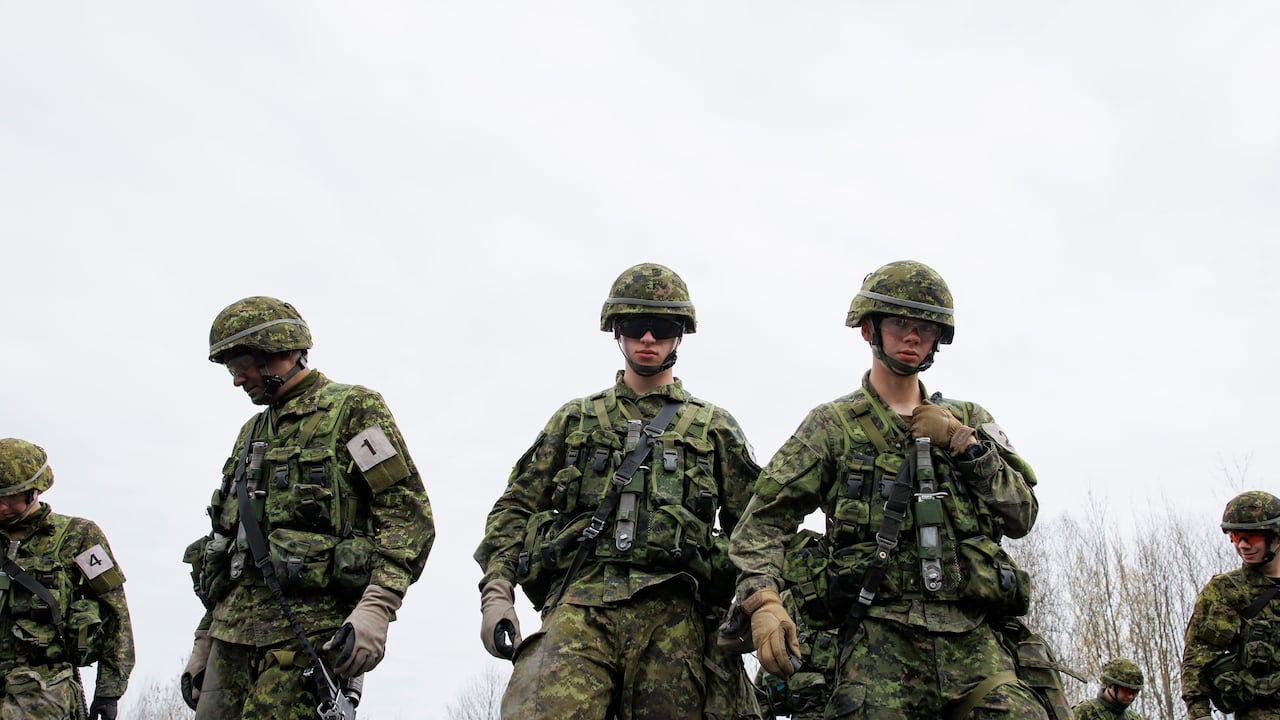
“Over the last few years, the federal government has sought to boost military recruiting by relaxing several policies related to pre-existing medical conditions and has stopped doing aptitude tests.”
To the say the times have changed since 2007 would be an understatement of the ages. This is certainly true of BMQ. The report mentioned about noting a drop in pass rates indicates a drop from 85% to 77%. Hardly the BMQ I experienced, but nostalgia has no place in military training, and my concerns are not nostalgic.
Change is not necessarily a bad thing. I remember like it was yesterday being formed as a brigade into a hollow square in Wainwright Alberta and being bawled out by the Brigade Commander. It was 2015, and the reports of pervasive sexual harassment had been made public. I was profoundly embarrassed but far from shocked. Indeed, the rape-culture attitudes, the degrading opinions of women generally, the sexual exploitation of women in the CAF was known to anyone who dared inquire.
Cultural change in the CAF was long overdue, and it is good that it has occurred to the degree it has. Militaries reflect the society they represent, and they should therefore be truly representative. The balance is that a military must also be able to fight, kill, and be killed.
The quote from World War II at the beginning of this piece is instructive. The Canadian Army wasn’t just lacking in soldiers but lacking in infantry. The Army had trained lots of support staff to accommodate the casualties that, early in the war, were caused by German air superiority. By 1944, Canadians were most likely to encounter the Luftwaffe as ground troops. The infantry therefore took a beating far above what was expected, and casualties were such that non-infantry soldiers were sent to rifle battalions.
Now in 2026, the Russo-Ukrainian War is in its fourth year, and it is not an understatement to say this conflict has completely changed the face of warfare. The fundamentals have remained the same since one caveman brained the other with a rock, but the details are changing. Fiber-optic drones are able to reach well over 20km beyond the front lines in search of targets. Wirelessly controlled drones and loitering munitions are even longer ranged. Who is and who is not a front-line soldier has changed radically.
Recently, a Ukrainian corps commander was dismissed after one of his brigades leaked photos of their emaciated men who had been starving in their positions, forced to drink rainwater and scrounge for food. Investigations will be forthcoming I hope, but the underlying problem is that drone warfare has extended so far back into the rear areas that supply, medical, and logistics supports were likely unable to get through. A siege without encirclement.
Combat in Ukraine is often small units maneuvering independently using personal initiative, or defense from fixed positions. Both requires a degree of autonomy not previously seen in war. This is the reality of war in 2026. The days of CAF counter-insurgency are over, and conventional warfare in which the frontlines extend for miles is the reality that must be addressed. Are these issues being addressed?
De-professionalization
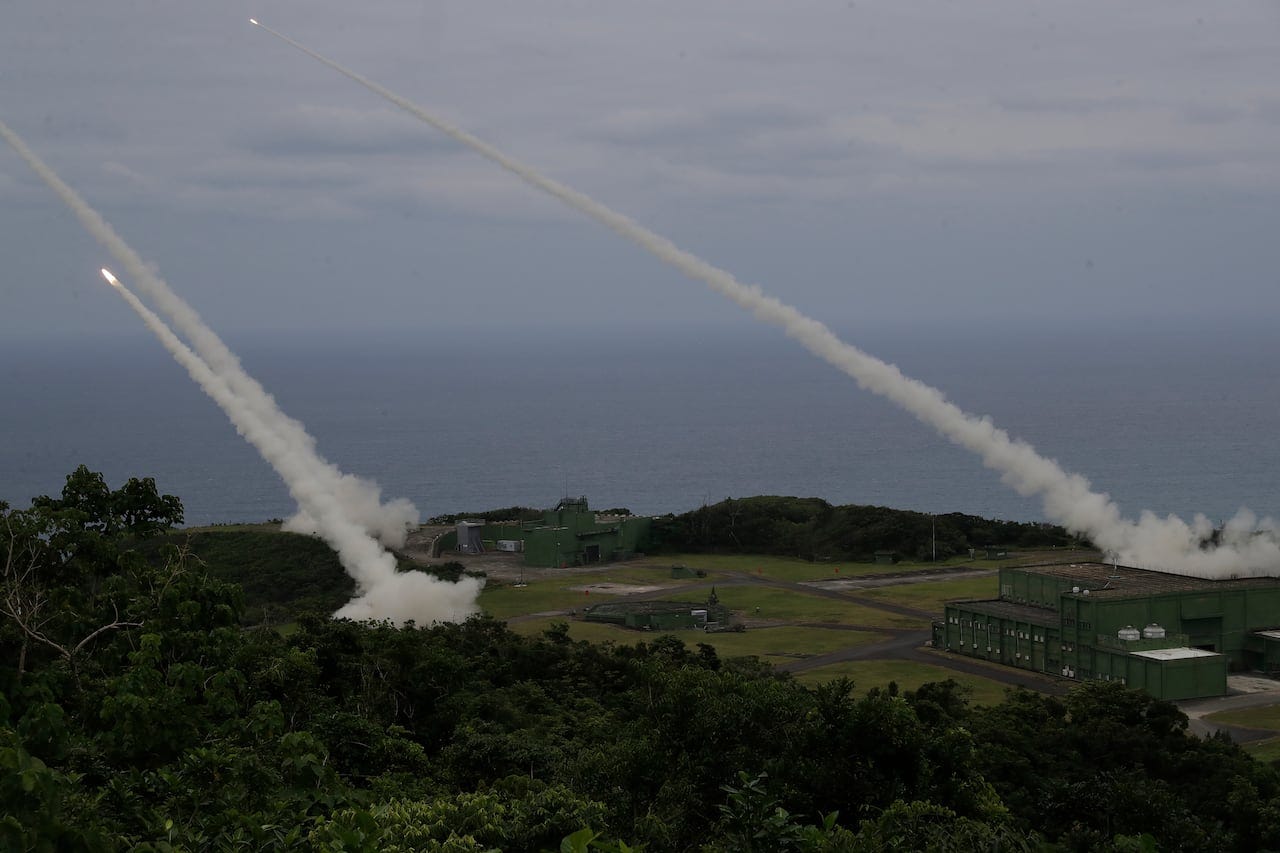
“While the total number of PRBs (Personnel Review Boards) is driven in part by the increase in recruiting and basic training tempo, the increasing PRB ratio directly reflects that more candidates are struggling to performance or conduct standards required to pass basic training.”
- Leaked CAF document: ‘Initial Observations- Impact of Changes to CAF Recruiting Policies at Basic Training Over 2025.’
Creating or enlarging a military formation is not a straightforward process. There are very few cases, such as the Canadian Army in 1914, in which whole formations are made up of inexperienced personnel. Usually, a cadre of experienced NCOs and officers is taken from another formation to act as a backbone for the new or enlarged formation. This is sensible, but every time one does this, the high-quality leadership in the military is consequently thinned out. It is therefore inevitable that when a military expands such as the CAF is, its quality drops.
This is normal, and by no means permanent. Growing pains are a normal part of military growth. Combined with a lowering of standards there is a real risk of a deep cut in the professionalism of the military. The lack of basic aptitude testing in recruitment has, according to the above quoted document, caused PRBs due to academic issues to more than triple.
The lack aptitude testing is alarming to anyone who remembers who got into the military when they were doing aptitude testing. It is not unreasonable for a military to decide based on ones application that someone is manifestly unsound for the military. Instead, as quoted in the document, “In general, CFLRS (Canadian Forces Leadership and Recruit School) has experienced a notable increase in candidates who are unable to learn in a military environment. This includes a wide variety of educational backgrounds including both high school and university graduates who may have benefited from increased learning support resources available in civilian education that cannot be provided in a military training environment. These candidates have been unable to learn basic practical skills such as drill and weapons and several candidates have been unable to read without assistance.”
Growing pains are one thing, but in the high-tech world of 2026 war fighting, the CAF is currently recruiting people who can’t read. Perhaps if the pass rate was what I remember it to be, this wouldn’t be cause for concern, but in an era in which a 77% pass rate is a news story, a problem is not hard to identify.
My concerns are made worse by my own experiences. At no point in my entire military career did I feel even adequately trained for what I was doing. Far from feeling like a self-conscious professional, when I arrived in Afghanistan, I realized with crystal clear certainty that I had no idea what I was doing. That feeling did not go away: my comrades and I made it up as we went along. This is not a military that, in my experience, can afford de-professionalization.
Foreign Recruitment
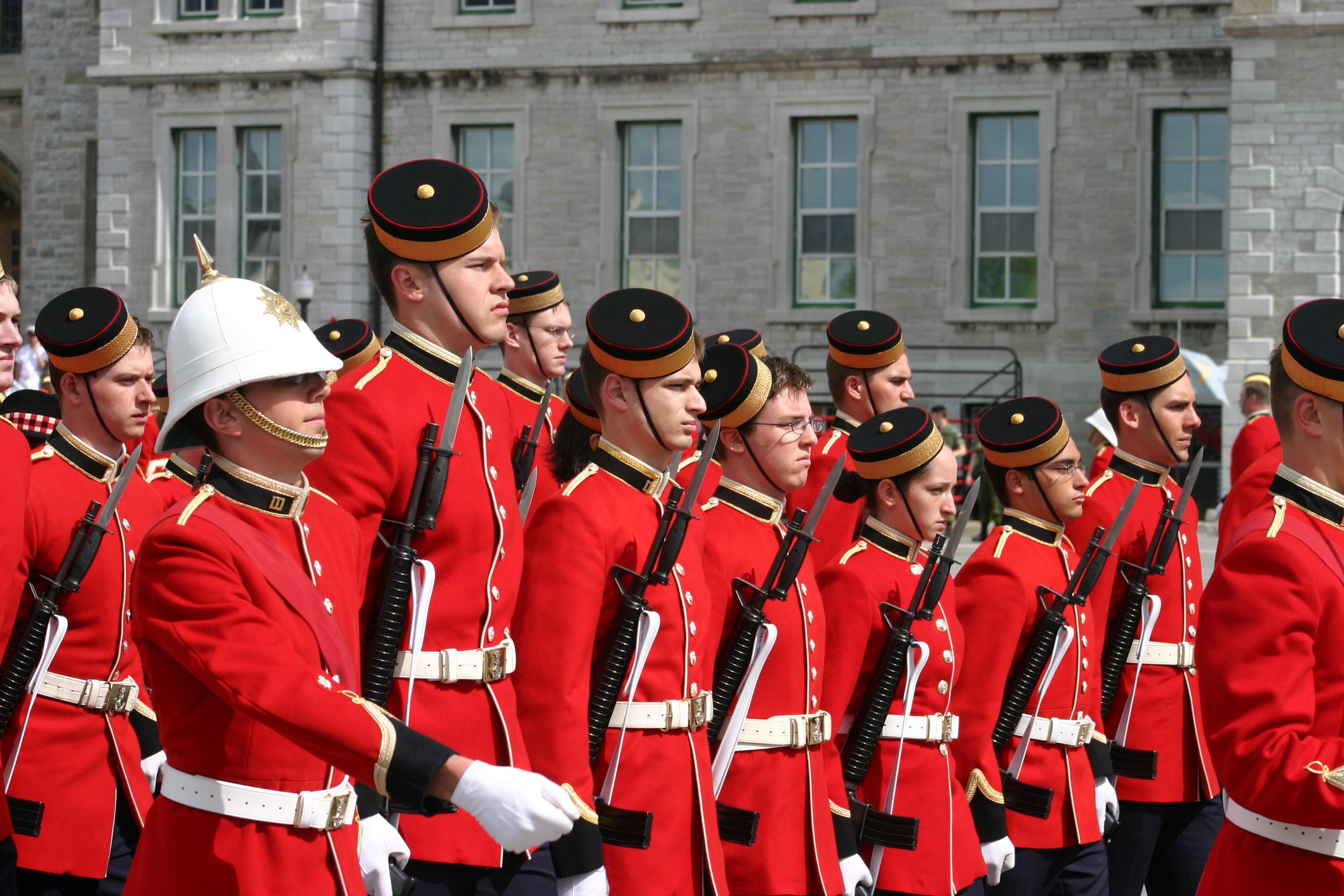
Since the earliest days of armed conflict, nations have recruited foreign nationals into their armed forces. The CAF has done this for a long time, with soldiers enlisted after spending at least three years in Canada as a Permanent Resident (PR). This is good for a country such as Canada for whom immigration is such a part of its identity and demographic.
Several militaries in the world today have foreign legions, units specifically made up of foreign nationals for whom citizenship is often the prize. Spain, France, UK, Ukraine and Russia all have foreign legions and recruitment. These volunteers are seen as legally distinct from mercenaries, though in terms of filling gaps in human resources, they fulfill a similar role.
As noted in the CFLRS document and CAF policy, the recruitment of foreign nationals into the CAF has been greatly increased. The report notes that one French-language course was comprised of 83% non-citizens, and concurrent English platoon was 30%. The document goes onto say there were problems with the pass-rate of these PR soldiers, and that the French course in question was “plagued with allegations of racism.” It goes on to outline issues associated with soldiers not understanding either official language sufficiently, or culture shock associated with recruits that had not even been in Canada, let alone the military, for more than three months.
The document also cites a lack of realistic expectations among the PR recruits. “A surprising number of permanent resident candidates believed they would simply go home after basic training or had no family care plan beyond the duration of basic training.” To me this is not a matter of “realistic expectations,” as it is the CAF recruiter’s job to tell recruits what to expect. This isn’t a policy of open and diverse recruitment; this is entrapment.
What is also notable about this recruitment policy is that it extends to officers too. This is unusual because in the overwhelming majority of nations, officer ranks are citizen-only, including in foreign legions. With less experience in the matter of officer leadership, I asked Drew Ash, a former CAF artillery officer about this issue.
“Loyalty to Canada is something that is integral to the discharge of duties as an officer in the Canadian Armed Forces. In the Profession of Arms, the concept of unlimited liability effectively holds that at any time, one may be called upon to make the ultimate sacrifice in the defence of Canada. Officers hold the distinction of being placed in situations wherein they may have to order one of their subordinates to do so.
This is no small matter and represents the highest trust our country can have in our leaders. As such, Canadian soldiers, sailors, and aviators deserve to be led by Canadian officers. It is not that permanent residents lack the professionalism or abilities required to carry out the tasks of officership. Rather, it is that it is not the individual officer giving the orders, they are a representation of our nation giving the order to seize a trench, to charge an enemy position, to expose oneself to unimaginable danger as an extension of Canadian interests. It is a matter of the moral authority.”
This is an important issue, and not one readily available to the outside observer. The entire purpose of an officer corps is to act as a backbone of leadership within the military hierarchy, but also to act as the government’s representative in the military. It’s why throughout history the separation of officers and soldiers is so important: the officer, by their position and holding of a commission, is the government.
Especially in conflicts such as we see today, operations in the military require individual initiative and small unit leadership. Contrast Drew’s statement with the statement from the CFLRS document in which it states that “Permanent Resident officer candidates in particular are more likely to imagine a CAF officer position as a public service job rather than a military occupation,” and you see a crisis in leadership developing.
Unnecessary Militarism
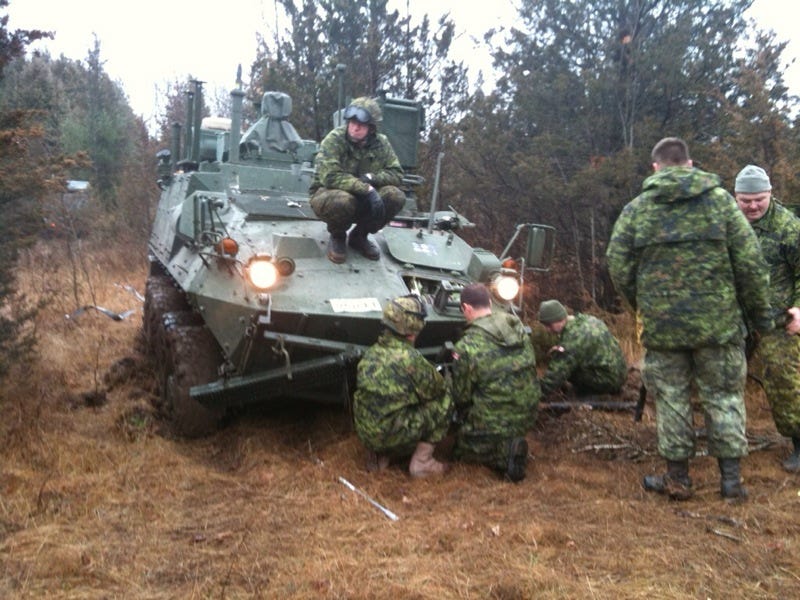
All this would be concerning enough without the context in which it is occurring. If we had no intention of actually using this bloated semi-professional military, then it would just be a normal waste of money, but it’s not.
The first and foremost issue is that life in the military is inherently dangerous. The CAF tried to kill me more often than the Taliban could dare dream. Realistic training is dangerous because war is dangerous and there isn’t much of a way around that. It is therefore incumbent upon the non-military member in support of this expansion to think long and hard about what a military is actually for.
Lately, the Canadian public, enthralled for some unfathomable reason by our most conservative PM in memory, has been all in on the NATO 5% of GDP military budget target. As an Afghan War veteran, one who well remembers being in a real war with shoddy and broken equipment because of decades of underfunding, it’s more than a little aggravating that Canadian liberals have become fanatically pro-CAF now that there is no war.
It must be made clear: Canada is not at war.
It seems like we are, to be sure. The world is a scary place right now, but make no mistake, this is peacetime for Canada and must remain so. Could a war involving Canada break out? Yes, of course. Should the CAF be ready for such a conflict? To a point.
The CAF should be competent, well trained and professional so that in the event a war actually occurs, we can then expand the CAF into a large enough fighting force. We are not a world hegemon. We do not and should not aspire to be one. Sacrificing government services like the CBC and Canada Post could be justified if our troops were fighting and dying in a far away land, but they aren’t. They’re training, working out, and probably engaging the services of Latvian sex workers.
Nobody expects Canada to be the Johnny-on-the-spot world police. When Canada joined World War II, it didn’t significantly engage the enemy on land for two years. If a war is big enough that Canadian soldiers must cross an ocean to fight it, then it can wait until the CAF is ready.
What is the CAF for?
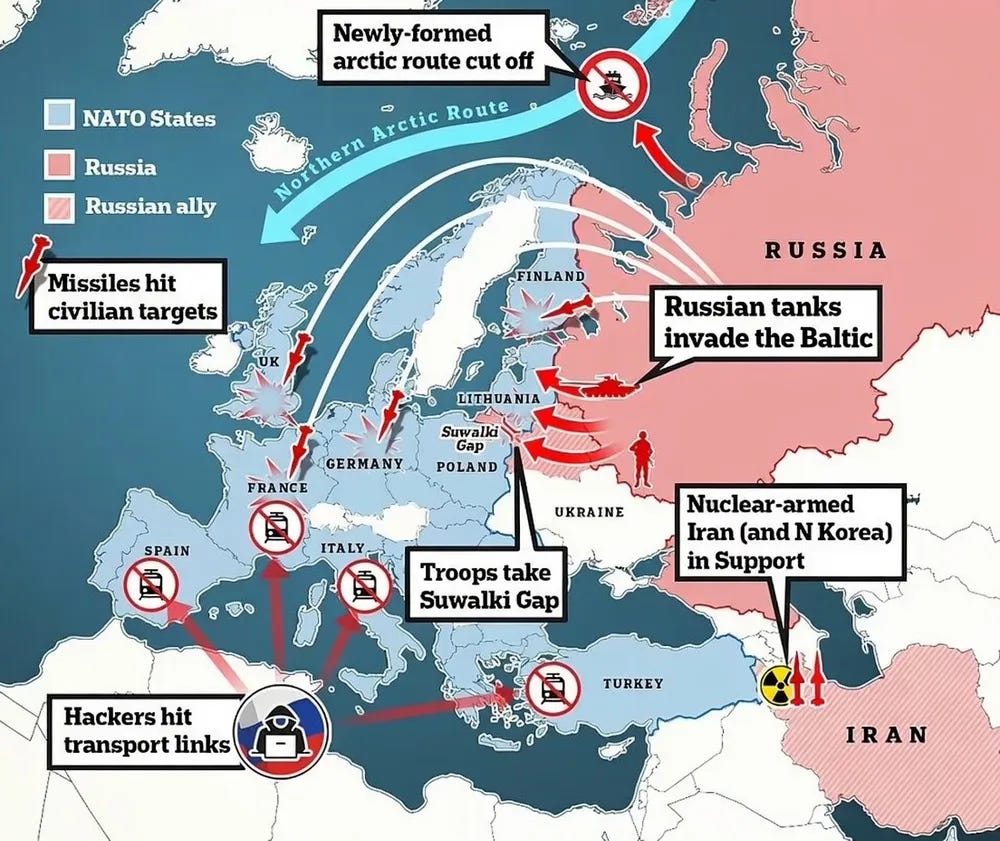
Mark Carney’s statement on the recent CUSMA negotiations, in which he states that “Canada remains open to deeper [economic] integration,” tells us something about the nature of our relationship with the USA. It tells me that the pipe-dream that Carney is enlarging the CAF to defend us from the Americans is what we always thought it was: pure fantasy. The military isn’t for defense, and it never has been. If it was, are our best fighting units in Latvia right now?
There comes a point when encouraging the same behaviors over and over again places the onus on yourself, and this is certainly the case for our role in Europe and NATO. After two world wars in one century, and the now omnipresent threat of a third, it’s fair to ask if we need to keep indulging that continent.
Canada cannot, will not, and should not be the arbiter, however small, in the European hobby of genocidal violence. Since 1900, Canadians have expended blood and treasure for wars in Russia, Azerbaijan, Türkiye, Germany, France, former Yugoslavia, Netherlands, Belgium, Italy and the UK. 67,000 Canadians died from 1914-18 because an Austrian Archduke got shot by a Yugoslav nationalist. If after the formation of NATO, the EU, the UN and so many other institutions, Europe still cannot keep itself from butchering each other, then we won’t make the difference either.
And it’s not necessary! The USSR is long dead, and the Polish and German armies alone could probably stop the Russian Army dead in its tracks. The air forces of European NATO nations are comfortably superior to the Russian Air Force, and the Russian Navy is incapable of surviving a land war in Ukraine. France and the UK both have substantial nuclear weapon stocks. Call me an isolationist, but all these ‘what about Putin,’ arguments ring hollow when you realize that it doesn’t have to be our problem and isn’t a problem anyone needs help with.
The incoherence of the CAF expansion comes into focus with the recent revelation that DND wants to hire additional public servants after the government has so recently cut public service positions. The numbers cited by Chief of Defense Staff General Carignan are laughable. The plan to make 300,000 supplementary reserve soldiers, initially out of civil servants, is a mockery of the very concept of reality itself, and the call to quadruple the Reserves that cannot currently staff the positions they have is inane.
What is the actual purpose of this? What could possibly be gained by Canadians who aren’t employed in the weapons industry?
Oh… There it is…
Ian, May 14 2026
Your key sentence: "If after the formation of NATO, the EU, the UN and so many other institutions, Europe still cannot keep itself from butchering each other, then we won’t make the difference either." Exactly. People came to this country over centuries to get away from all the shit that makes Europe an unpleasant place to live. Let the whole squabbling lot of them have at it, and let's look after ourselves instead of wasting political currency on an unchanging sinkhole.